En
EnAn insulated conductor passed the visual inspection and went to the AC withstand voltage test. The test failed. When the cable was sectioned, the insulation wall measured 2.6 mm on one side and 3.1 mm on the other. Over a 1 km production run, such eccentricity can appear and disappear without obvious warning. It was not a material problem: the pellet batch met the specification and the compound supplier had changed nothing. The breakdown was caused by an unstable tooling alignment and inconsistent melt temperature in the extruder head. This is a common experience in cable plants, and it explains why the technical discussion about extruded cable insulation should always include both material selection and process control.
Extruded cable insulation, in short, is a continuous polymer layer applied around a conductor by forcing molten compound through a crosshead die. Its quality determines not only whether a cable passes the factory test, but whether it keeps working after years of heat, humidity and mechanical stress. Understanding the process, the material limits, and the equipment parameters helps cable manufacturers reduce failure rates and avoid expensive rework.
What Extruded Cable Insulation Is and How the Process Works
Extrusion is the most widely used method for applying insulation in power, control and communication cables. A screw conveyor melts the polymer, a die system shapes the melt into a tube, and that tube is immediately drawn down onto the moving conductor. Vacuum and pressure inside the head help the melt attach to the conductor surface without trapped air. The insulation is then cooled in a water trough, where the polymer solidifies from the outside inward.
The cable insulation process must handle a wide range of materials. Polyethylene (PE) is common in communication cables, polyvinyl chloride (PVC) in general-purpose low-voltage cables, cross-linked polyethylene (XLPE) in power cables from medium to high voltage, and silicone rubber or fluoropolymers in specialty products such as solar, EV and high-temperature cables. Each material has its own melt temperature, viscosity curve, and required cooling profile.
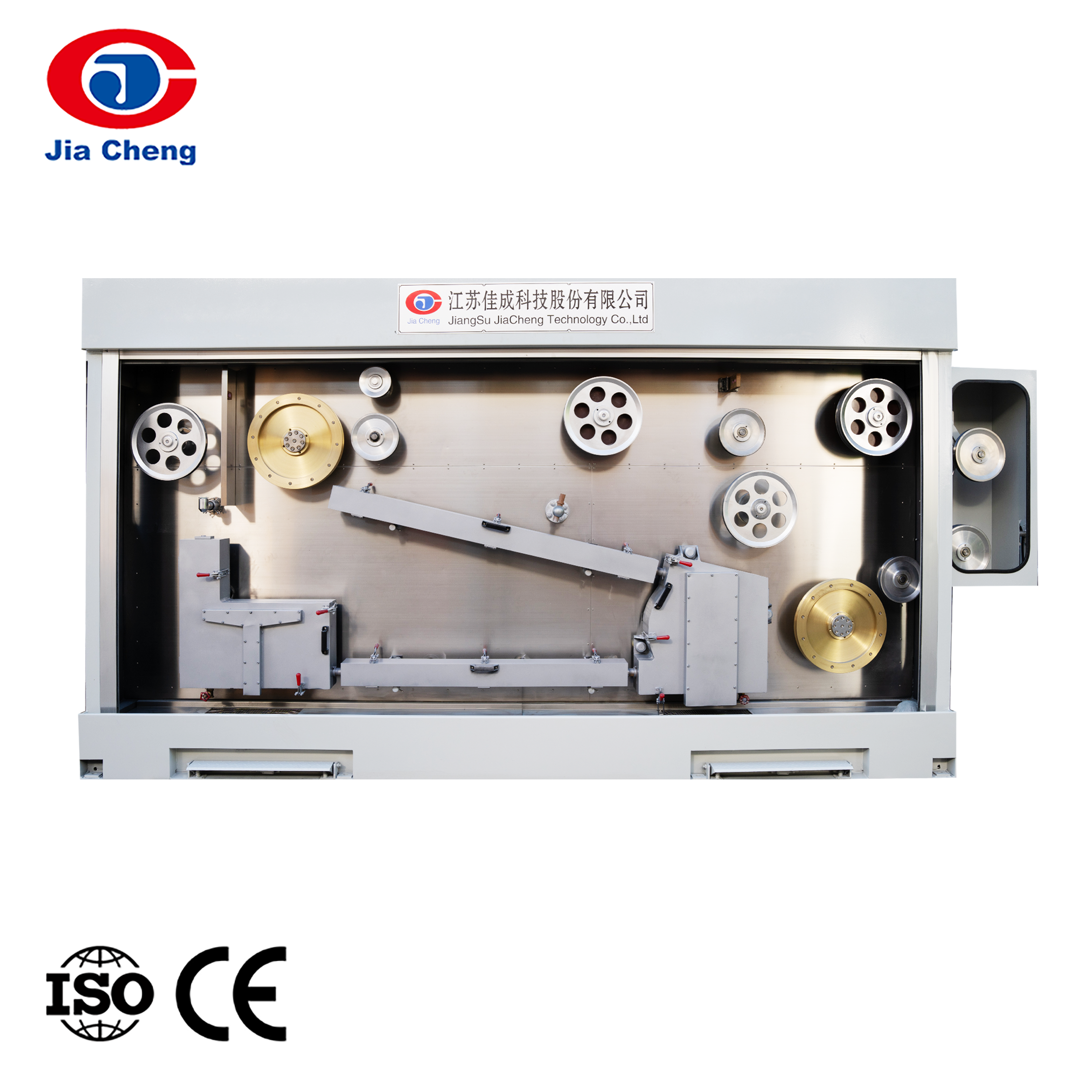
Before extrusion, the conductor surface condition also matters. In continuous production, the wire enters from a drawing or stranding process. The tension of the conductor, the presence of drawing oil residues, and surface oxidation can each affect insulation adhesion and diameter uniformity. This is why the upstream process parameters are as relevant as the extruder settings themselves. In a wire drawing operation, for example, tension fluctuations can change the conductor diameter slightly, and this variation then appears as a corresponding irregularity in the insulation wall. The relationship between upstream tension control and final insulation quality is examined in more detail in the article on how rod breakdown machines manage wire tension control .
How Insulation Quality Affects Cable Performance
An insulation layer serves three functions: it isolates the conductor electrically, it protects against environmental attack, and it keeps the conductor mechanically supported. The same functions explain most factory test failures and field faults.
Electrical breakdown usually starts where the insulation wall is thinnest. If the conductor or insulation diameter varies along the cable, the electric field strength in the thin section rises above the material's breakdown strength. The effect is stronger at higher voltages, which is why medium- and high-voltage cables specify tight insulation eccentricity tolerances. Even in low-voltage cables, a reduced wall thickness weakens the protection against mechanical damage and moisture ingress.
| Material | Continuous conductor temperature | Relative dielectric strength | Common cable applications |
|---|---|---|---|
| LDPE | 70°C | Medium | Low-voltage power, control and communication cables |
| XLPE | 90°C | High | Medium- and high-voltage power cables |
| PVC | 70°C | Low to medium | General low-voltage building wire and flexible cords |
| Silicone rubber | 180°C | Medium | EV cables, solar cables, high-temperature flexible cables |
| Fluoropolymers (FEP/PTFE) | 200–260°C | High | Fine heat-resistant cables and data cables |
Dimensional consistency also affects capacitance and impedance in data and radio-frequency cables. For a communication cable, a radial eccentricity that changes slowly over the length can cause impedance fluctuations and signal reflections. This makes the diameter accuracy and concentricity of the insulation layer crucial, not only for electrical strength but for signal integrity.
Process Variables That Determine Extruded Insulation Quality
Once the material is selected, the process decides whether the insulation performs as intended. Several variables interact in practice.
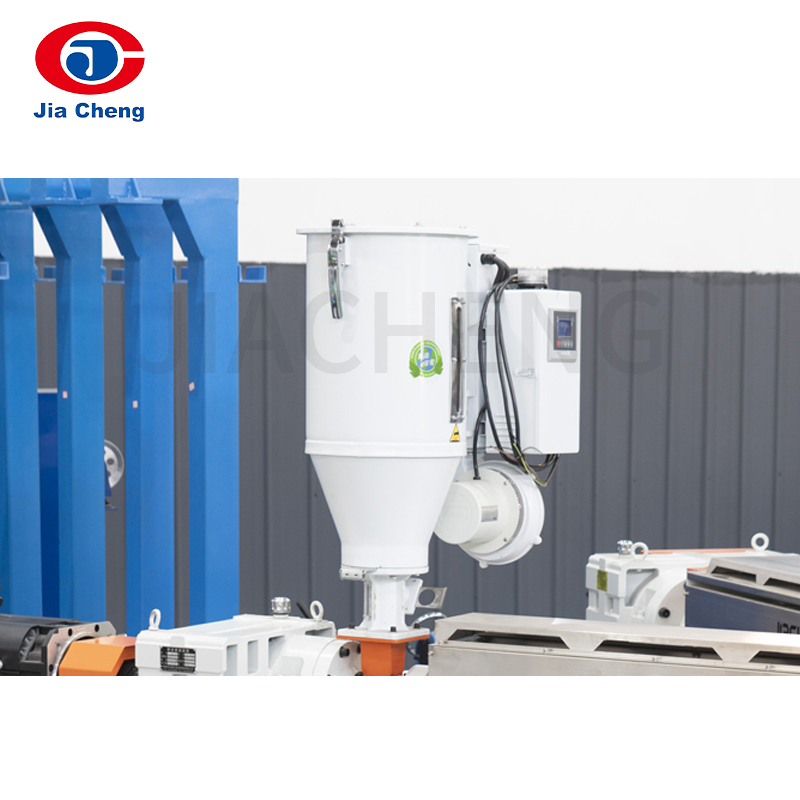
Material preparation. Hygroscopic compounds such as certain polyolefin blends must be dried before use. Residual moisture produces bubbles in the melt, which later become voids that act as partial discharge initiation points. For XLPE cables, voids are one of the most critical quality risks.
Temperature profile and screw design. The polymer must reach the die with a uniform melt temperature. A cold spot in the barrel can cause unmelted particles; an overheated spot degrades the material and generates gels. The screw geometry, barrel temperature zones and line speed have to be matched to the specific compound. A general-purpose extruder may run PE, PVC and TPE satisfactorily, but a production line designed for one material family will maintain tighter tolerances and higher output.
Tooling and head design. The crosshead die geometry sets the initial wall thickness. If the die center line is offset relative to the conductor, the insulation becomes eccentric. This is a static error that can be corrected with centering screws, but the error returns if the tooling is not locked properly. Over time, die wear changes the exit gap and leads to gradual wall thickness drift.
Cooling. The cooling profile affects the crystalline structure of the polymer and therefore its mechanical and electrical properties. Rapid cooling can create internal stress, while slow cooling in thin-walled cables influences dimensional ovality.
Crosslinking. For XLPE cables, the crosslinking operation is the process step with the largest impact on thermal rating and long-term reliability. Chemical crosslinking requires precise temperature control along the curing tube; physical crosslinking with electron beams requires controlled dose and penetration.
Online monitoring catches process variations before they become latent defects. For diameter feedback at the die exit, a LGD25 laser diameter gauge gives the operator a real-time reading of the extruded insulation size. The diameter measurement, together with a spark tester downstream, creates a basic but effective online quality monitoring loop.
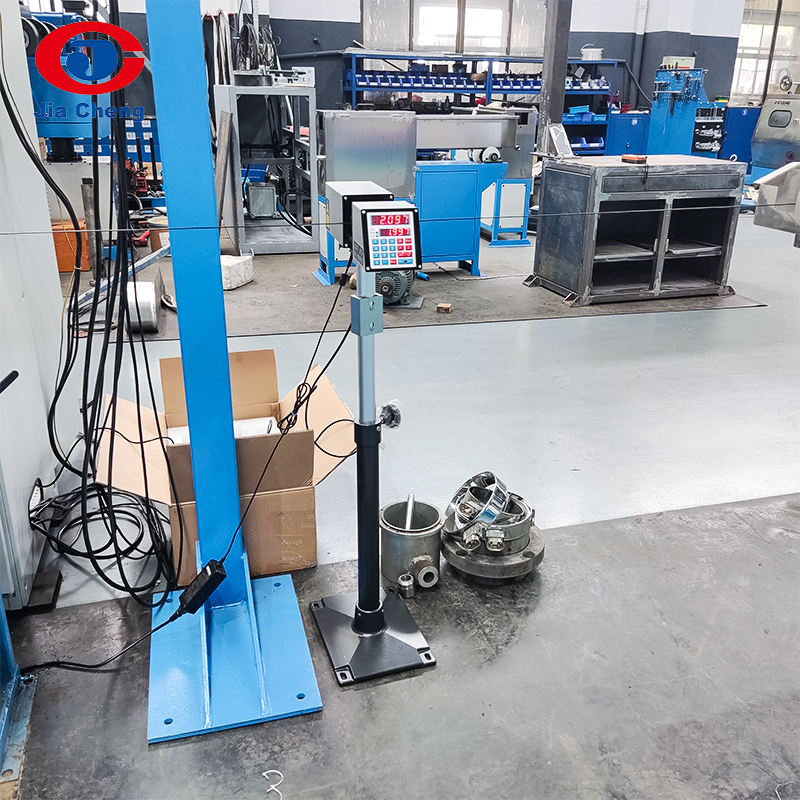 Custom LGD-25 Diameter gauge Factory, Manufacturers - Jiangsu Jiacheng Technolog Jiangsu Jiacheng Technology Co., Ltd. is China LGD-25 Diameter gauge manufacturers and factory, we offer custom LGD-25 Diameter gauge. View Product →
 Verifying Insulation Quality Through Testing
Factory testing confirms whether the insulation layer meets its electrical and mechanical requirements. The right set of tests depends on the cable type and the applicable standard. The following checks are common across most cable categories:
- Insulation resistance measurement. This test measures the DC resistance between conductor and earth screen or water. Low values indicate moisture, contamination or a poor insulation material.
- AC withstand voltage test. The cable is subjected to an elevated AC voltage for a specified time. A breakdown during the test usually indicates a serious defect in the insulation wall.
- Thermal extension test. A sample of cross-linked insulation is heated under a defined load; the elongation and permanent set must remain below the limit. This test verifies that the crosslinking operation was effective.
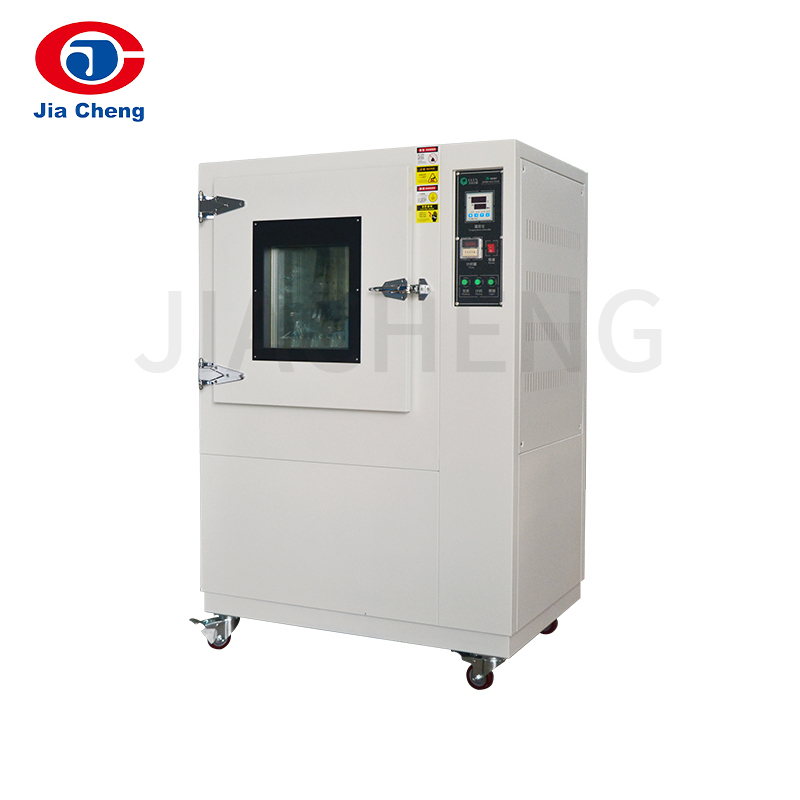
- Aging tests. Samples are exposed to elevated temperature in an air-circulating oven for a specified period, and the change in mechanical properties is measured.
An insulation resistance meter is a basic instrument in every cable factory. It verifies that the insulation layer blocks DC leakage as required by the cable standard. Along with the withstand tester and thermal extension equipment, these instruments form the minimum quality gate between the extrusion line and the shipment.
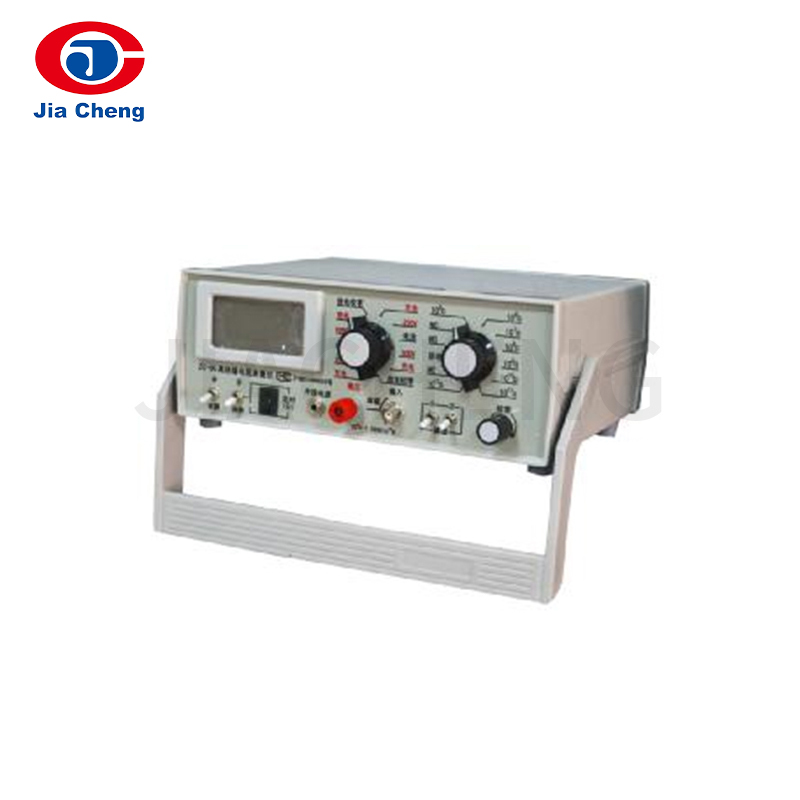 Custom ZC-90 Insulation Resistance Meter Factory, Manufacturers - Jiangsu Jiache Jiangsu Jiacheng Technology Co., Ltd. is China ZC-90 Insulation Resistance Meter manufacturers and factory, we offer custom ZC-90 Insulat... View Product →
 What to Look for in an Extrusion Line
Choosing the right extrusion equipment is a matter of matching the line to the product mix. The following factors usually determine whether a line will hold the required tolerances over years of operation:
- Material range. A plant that runs only PVC and PE can use a simple general-purpose extruder. A plant serving the power cable market needs a line with better temperature control and crosslinking capability. A specialty cable maker may need silicone rubber or fluoropolymer extrusion lines with different screw designs.
- Process stability. The extruder screw, gearbox, motor drive and control system should hold the setpoint within tight tolerances. Temperature fluctuations of even 5°C can change the die swell and the final diameter.
- Measurements as part of the machine. Diameter, eccentricity and spark test instruments should be integrated into the line controls, not treated as add-on devices.
- After-sales and line integration. An extrusion line does not operate in isolation. The pay-off, preheater, cooling trough, capstan and take-up must be synchronized. When evaluating a supplier, the total line configuration and the support provided during installation matter as much as the extruder specifications.
For manufacturers who run long production cycles of standard products, a purpose-built high-speed wire insulation production line offers an advantage over assembling separate components: the drive, temperature zones, cooling and take-up are engineered as one system. Silicone, fluoropolymer, foamed and cross-linked compounds require different lines, and the same logic applies to each of them.
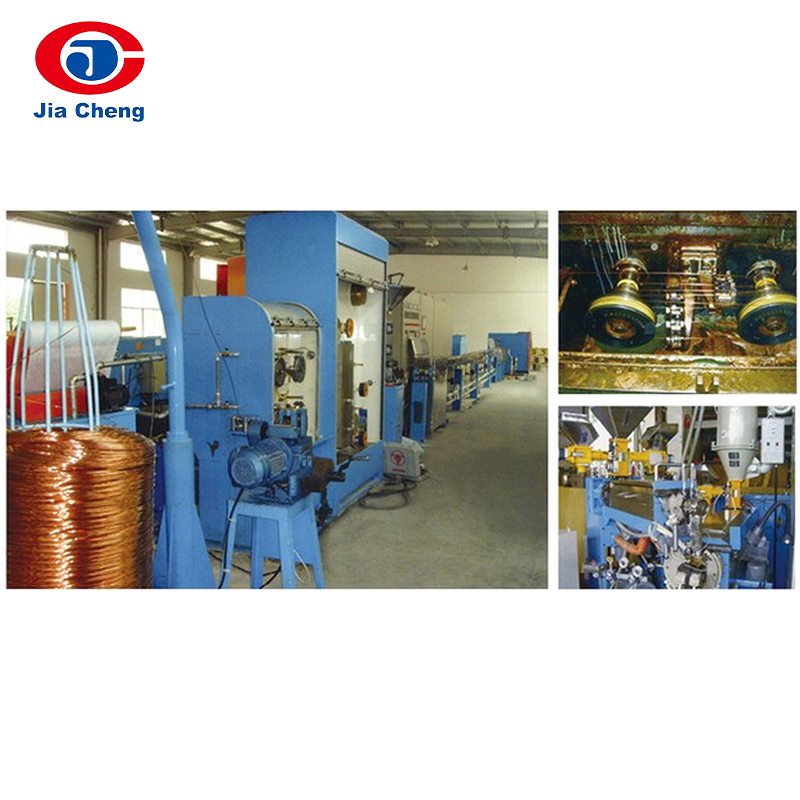
 Custom High Speed Wire Insulation Production Line Factory, Manufacturers - Jiang Jiangsu Jiacheng Technology Co., Ltd. is China High Speed Wire Insulation Production Line manufacturers and factory, we offer custom High... View Product →
 These considerations are not theoretical. Cable plants routinely replace or upgrade their extrusion equipment because the insulation layer is where the product gains its electrical value. The upstream processes, drawing, annealing and stranding, build the conductor, but the extrusion process determines the insulating boundary that defines the cable's rated voltage and service life.